
El Secreto Azul de Ría Lagartos: La Cacerolita de Mar y su Vínculo con la Salud Humana
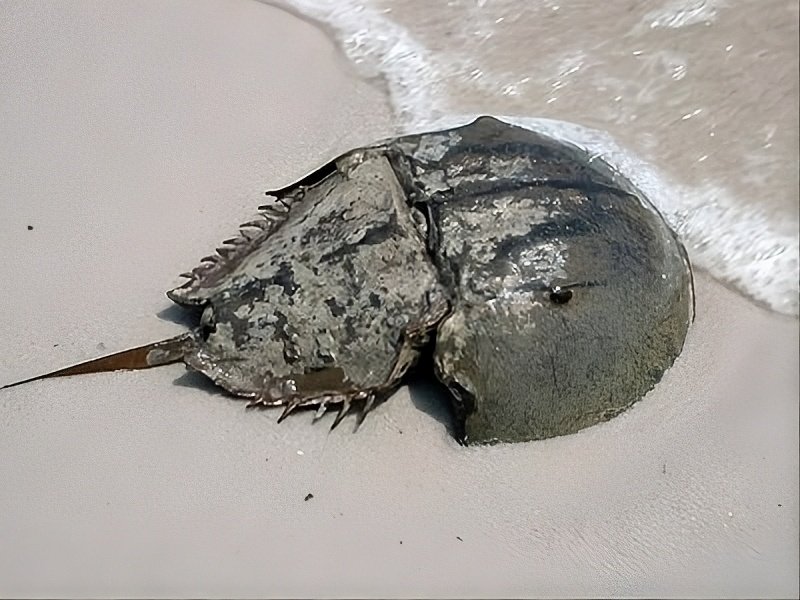
Cuando pensamos en Ría Lagartos, es fácil dejarse deslumbrar por el rosa intenso de los flamencos y la presencia imponente de los cocodrilos. Sin embargo, en los fondos lodosos y arenosos de nuestra Reserva de la Biósfera habita una criatura silenciosa que ha sobrevivido a múltiples extinciones masivas y que, hoy en día, es un pilar indispensable para la medicina moderna a nivel mundial.
Hablamos de la cacerolita de mar (Limulus polyphemus), un animal que desafía el tiempo y nos recuerda que la conservación de los humedales mexicanos tiene repercusiones directas en la supervivencia humana.
Un Sobreviviente de 450 Millones de Años
A pesar de su nombre común en español (cacerolita de mar) o en inglés (horseshoe crab o cangrejo herradura), este fascinante artrópodo marino no es realmente un cangrejo. Filogenéticamente, está mucho más emparentado con los arácnidos modernos, como las arañas y los escorpiones.
Su diseño anatómico ha sido tan exitoso en términos evolutivos que su estructura física apenas ha cambiado desde el período Ordovícico, cientos de millones de años antes de que los dinosaurios caminaran sobre la Tierra. Por ello, la comunidad científica lo denomina un «fósil viviente».
En México, las poblaciones de esta especie están restringidas casi exclusivamente a las aguas costeras y estuarios de la Península de Yucatán, siendo la región de Ría Lagartos uno de sus refugios más importantes y estudiados.
Sangre Azul: El LAL y la Medicina Moderna
El aspecto biológico más impactante y científicamente documentado de Limulus polyphemus es su sangre. A diferencia de los vertebrados que usamos hemoglobina (basada en hierro) para transportar el oxígeno, la cacerolita de mar utiliza hemocianina, una proteína rica en cobre que le otorga a su sangre un distintivo color azul pálido.
Pero el verdadero valor biotecnológico radica en sus células inmunitarias, conocidas como amebocitos. De estas células se extrae un compuesto llamado Lisado de Amebocitos de Limulus (LAL).
- El LAL es extremadamente sensible a las endotoxinas bacterianas.
- Al entrar en contacto con contaminación bacteriana (incluso en cantidades minúsculas), el LAL reacciona formando un coágulo casi instantáneo, aislando la amenaza.
- La industria farmacéutica global depende de esta prueba. Antes de que cualquier vacuna, medicamento intravenoso o dispositivo médico (como un marcapasos o instrumental quirúrgico) sea aprobado para uso humano, debe ser probado con LAL para garantizar que está 100% libre de bacterias mortales.
Documentación Real: Su Estado de Conservación en México
Dado que la cacerolita de mar es crucial tanto para la ciencia médica como para el equilibrio del humedal, el gobierno mexicano cuenta con documentación estricta para su protección.
| Documento / Institución | Estatus Oficial | Implicaciones Legales y Ecológicas |
| NOM-059-SEMARNAT-2010 | (P) En Peligro de Extinción | Especie cuyas áreas de distribución han disminuido drásticamente. Su captura, daño o comercialización en México constituye un delito federal. |
| CONANP (Plan de Manejo) | Especie Indicadora | Considerada vital para evaluar la salud del bentos (fondo acuático) en la Reserva de la Biósfera Ría Lagartos. |
| CONABIO | Especie Prioritaria | Sujeta a monitoreo poblacional debido a su aislamiento genético frente a las poblaciones de Norteamérica. |
A diferencia de Estados Unidos, donde existe una industria biomédica regulada que captura a estos animales para extraer un porcentaje de su sangre y luego liberarlos, en México la especie enfrenta amenazas distintas. Aquí, el principal riesgo es la pérdida de hábitat por el desarrollo costero no regulado y la alteración de las playas donde desovan.
La Conexión Ecológica en el Humedal
La conservación de la cacerolita de mar en Ría Lagartos va más allá de la biotecnología humana; es el motor de una de las migraciones más grandes del planeta.
Durante la temporada de desove (primavera y verano), las cacerolitas emergen del estuario en noches de luna llena o nueva, aprovechando las mareas altas para depositar millones de pequeños huevos en la arena. Estos huevos son ricos en lípidos y proteínas, convirtiéndose en el combustible vital para miles de aves playeras migratorias. Sin esta fuente de energía masiva y sincronizada, muchas de estas aves, como el Playero Rojizo (Calidris canutus), no tendrían las reservas de grasa necesarias para continuar su extenuante vuelo desde el Ártico hasta la Patagonia.
Fuentes Oficiales para Indagar Más
Para estudiantes, investigadores o viajeros curiosos que deseen profundizar en los datos reales detrás de esta especie y su manejo en Ría Lagartos, sugerimos explorar la siguiente documentación pública:
- Diario Oficial de la Federación (DOF) – NOM-059-SEMARNAT-2010: El documento legal rector del Gobierno de México que enlista las especies de flora y fauna silvestres en categoría de riesgo.
- Programa de Conservación y Manejo de la Reserva de la Biosfera Ría Lagartos: Documento oficial publicado por la Secretaría de Medio Ambiente y Recursos Naturales (SEMARNAT) y la CONANP, el cual detalla la zonificación del humedal y las estrategias específicas para la recuperación de las playas de anidación del Limulus polyphemus.
- EncicloVida (CONABIO): Base de datos científica mexicana donde se pueden consultar los mapas de distribución histórica y actual, así como artículos académicos sobre la divergencia genética de la población yucateca de cacerolitas de mar respecto a las poblaciones del Atlántico estadounidense.